Keratin Treatment for Fine, Thin Natural Hair
How I Use Keratin to
Prevent Breakage and Grow My Hair Back
If you have fine, thin natural hair, you already know that growing and retaining length is a very different journey compared to medium or coarse hair. Fine hair can look healthy on the surface while quietly breaking underneath due to friction, tension, and over-manipulation.
That’s exactly what happened to me. And it’s why I decided to do a keratin treatment specifically for protection, not straightening.
In this blog post, I’m walking you through my entire keratin treatment process, explaining how keratin works on fine hair, why it’s not the same as a relaxer, and how I use it as a hair growth and breakage-prevention tool.

Why Fine, Thin Natural Hair Is More Prone to Breakage
Before we even talk about keratin, it’s important to understand why fine hair breaks so easily.
Fine hair strands have:
A smaller diameter
Less structural strength per strand
A lower tolerance for tension and friction
This means that even healthy fine hair can snap if it’s handled too aggressively.
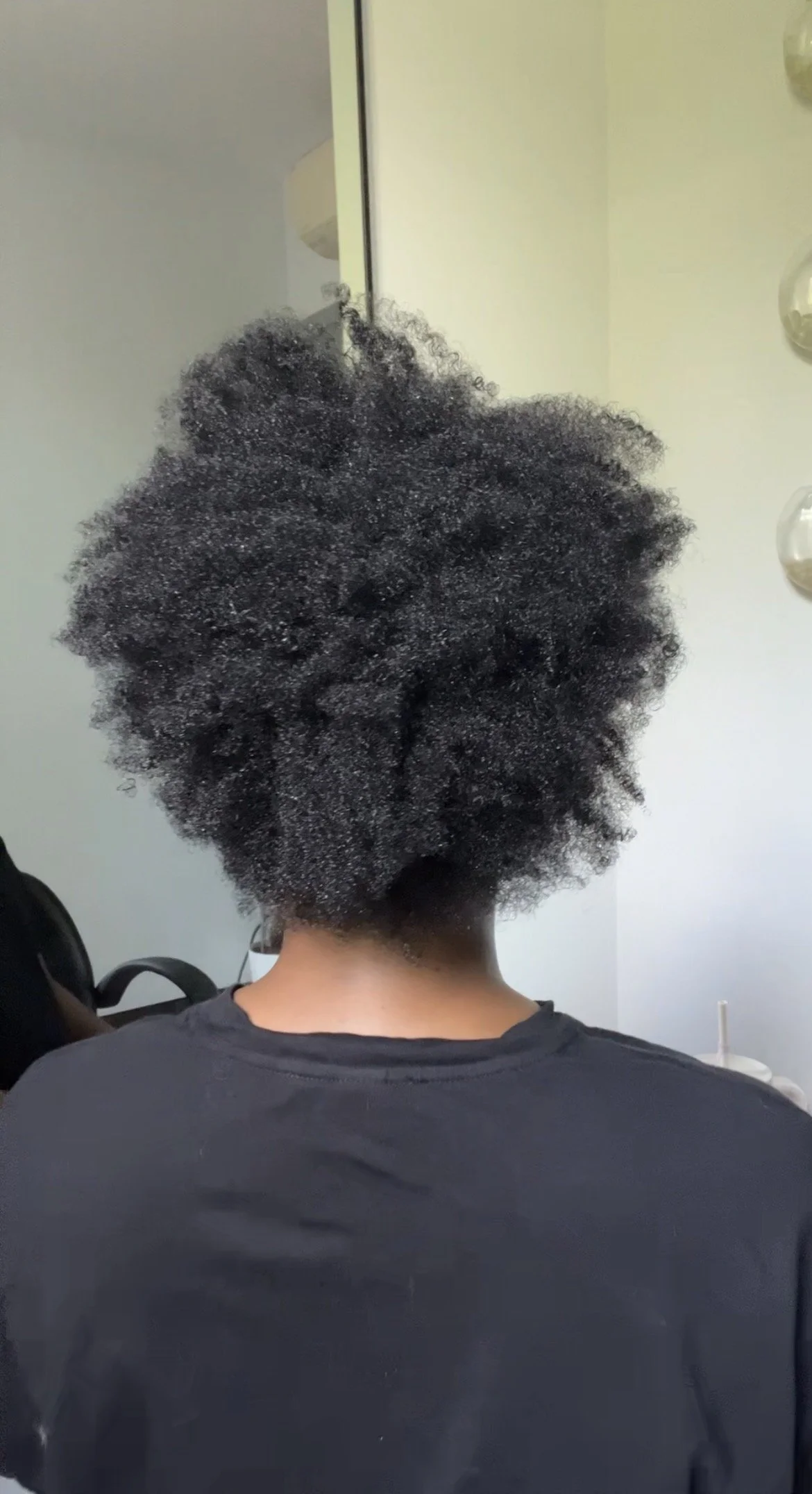
What Triggered My Breakage
In my case, the breakage wasn’t caused by bleach, heat damage, or chemical damage. It came from a combination of:
Stopping regular stretching (blow-drying)
Increased shrinkage
Fighting that shrinkage with force
Instead of working with my hair, I started:
Pulling it into tight buns
Over-brushing to slick it down
Creating constant friction at the ends
Over time, my ends became thinner and shorter. And that’s when I knew I needed to intervene—not with something harsh, but with something supportive.
Shrinkage Isn’t the Enemy. Friction Is.
This is a mindset shift that completely changed my hair journey:
Shrinkage is not the problem. The force we use trying to control it is.
When fine hair shrinks, it tangles more easily. If we respond with:
Hard brushing
Tight styles
Repeated manipulation
The hair snaps.
Keratin became my solution because it reduces friction, making my hair easier to stretch, detangle, and style—without permanently changing my curl pattern.
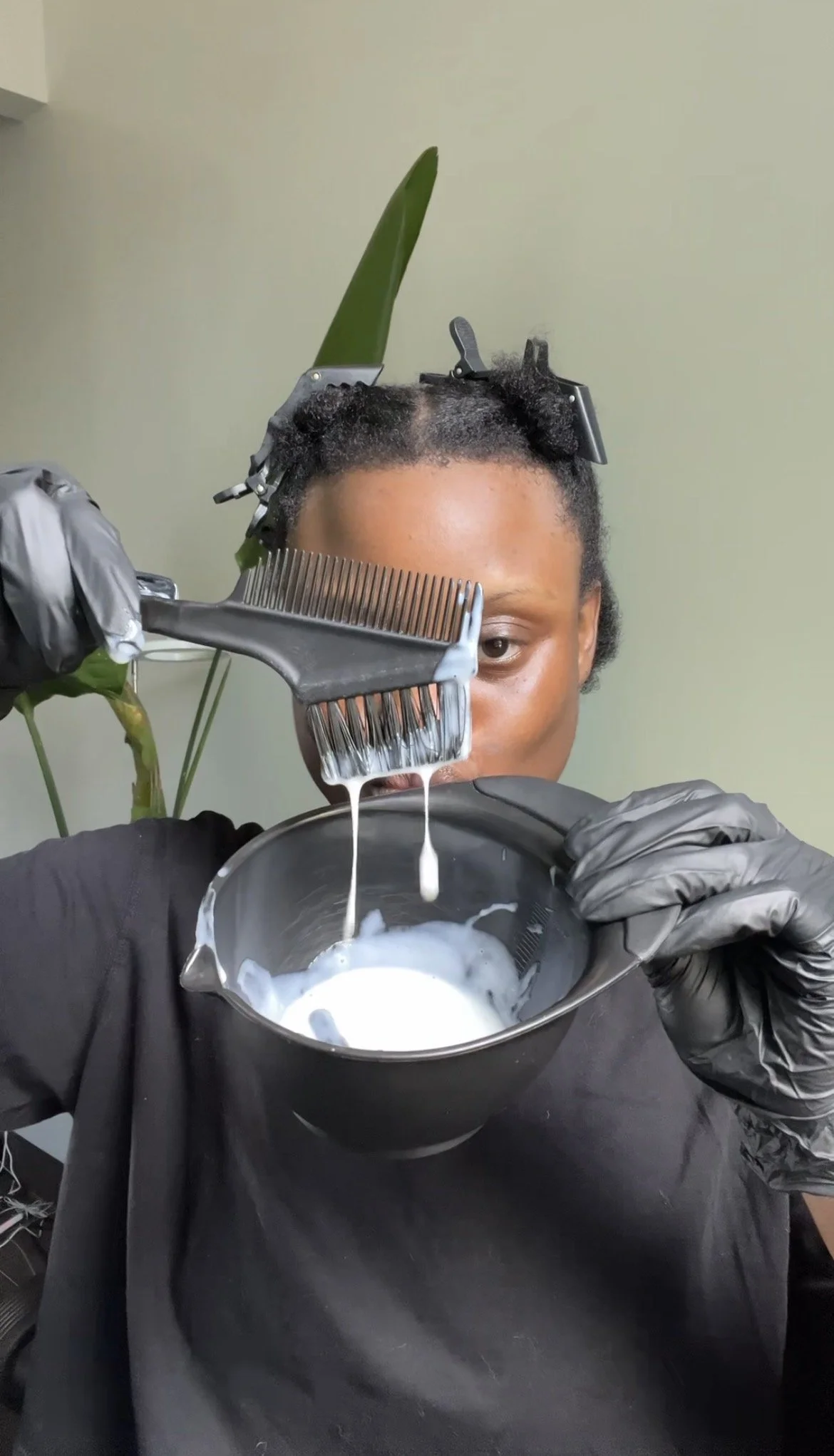
Why I Chose a Keratin Treatment for Fine Hair
A keratin treatment made sense for me because:
My hair wasn’t damaged—it was overworked
I needed strength and manageability
I wanted to keep my curls
I specifically use the Cezanne plant-based keratin treatment, which I also use in the salon.
Not all keratin treatments are created equal. Many are:
Too heavy
Too aggressive
Too focused on straightening
This one is different because it:
Reinforces the hair without overcoating
Smooths the cuticle instead of stiffening it
Washes out gradually
Allows curls to fully return
For fine hair, that balance is everything.
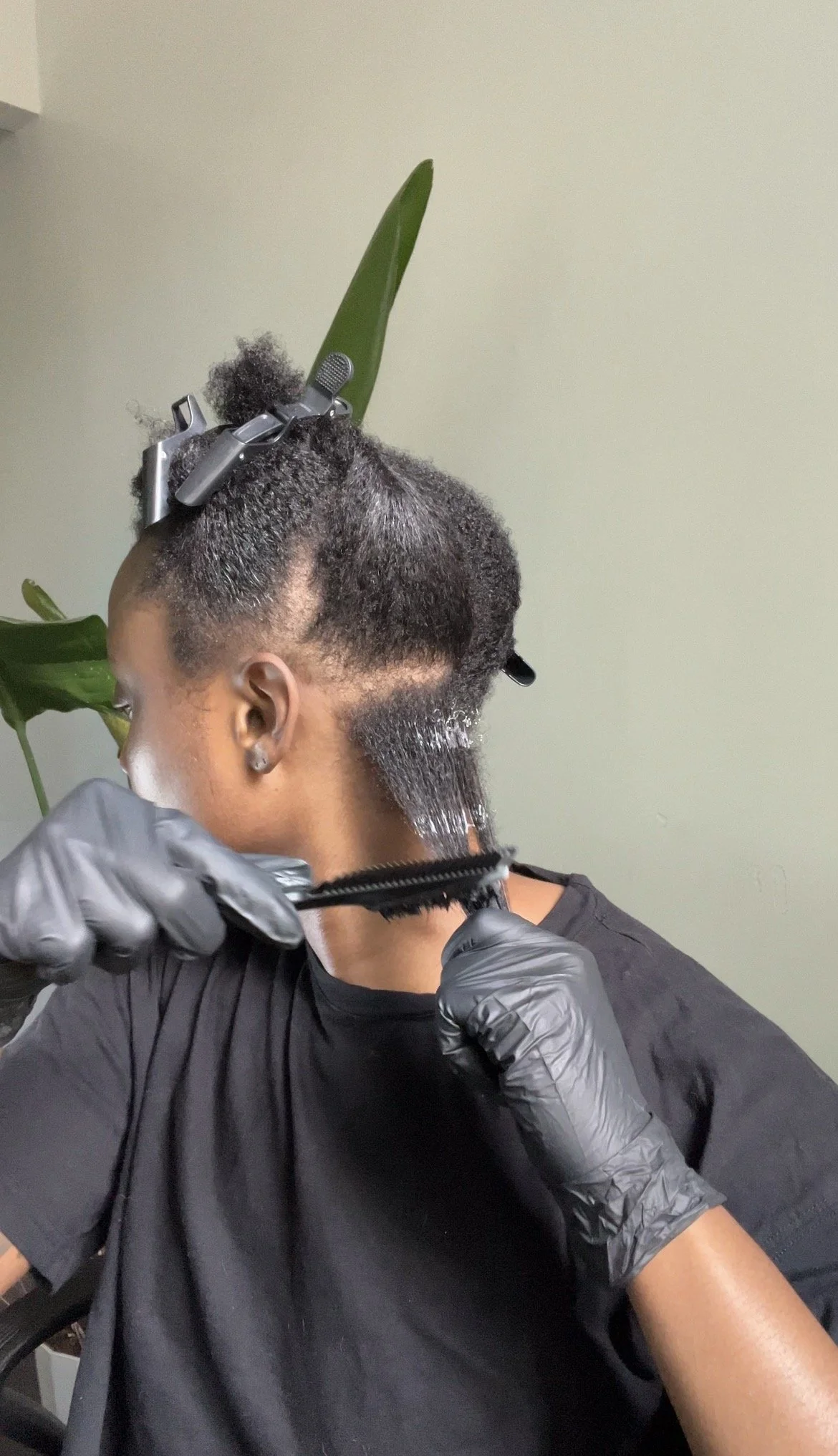
What a Keratin Treatment Actually Does
Keratin is a protein that already exists in your hair. Over time, mechanical stress (brushing, detangling, styling) causes keratin loss.
A keratin treatment works by:
Reinforcing the outer layer of the hair
Smoothing and sealing the cuticle
Reducing friction between strands
What It Does Not Do
A keratin treatment:
Does not permanently straighten hair
Does not break internal bonds
Does not remove your curl pattern
That’s the biggest misconception.
Keratin Treatment vs. Relaxer (Important Distinction)
This part matters, especially for naturals.
Keratin Treatment
Semi-permanent
Gradually washes out
Works on the outside of the hair
Supports your existing texture
Relaxer
Permanent
Alters the internal structure
Breaks and rearranges bonds
Changes the curl pattern entirely
With keratin, my curls are still there—they just behave differently. They’re smoother, easier to stretch, and far more manageable.
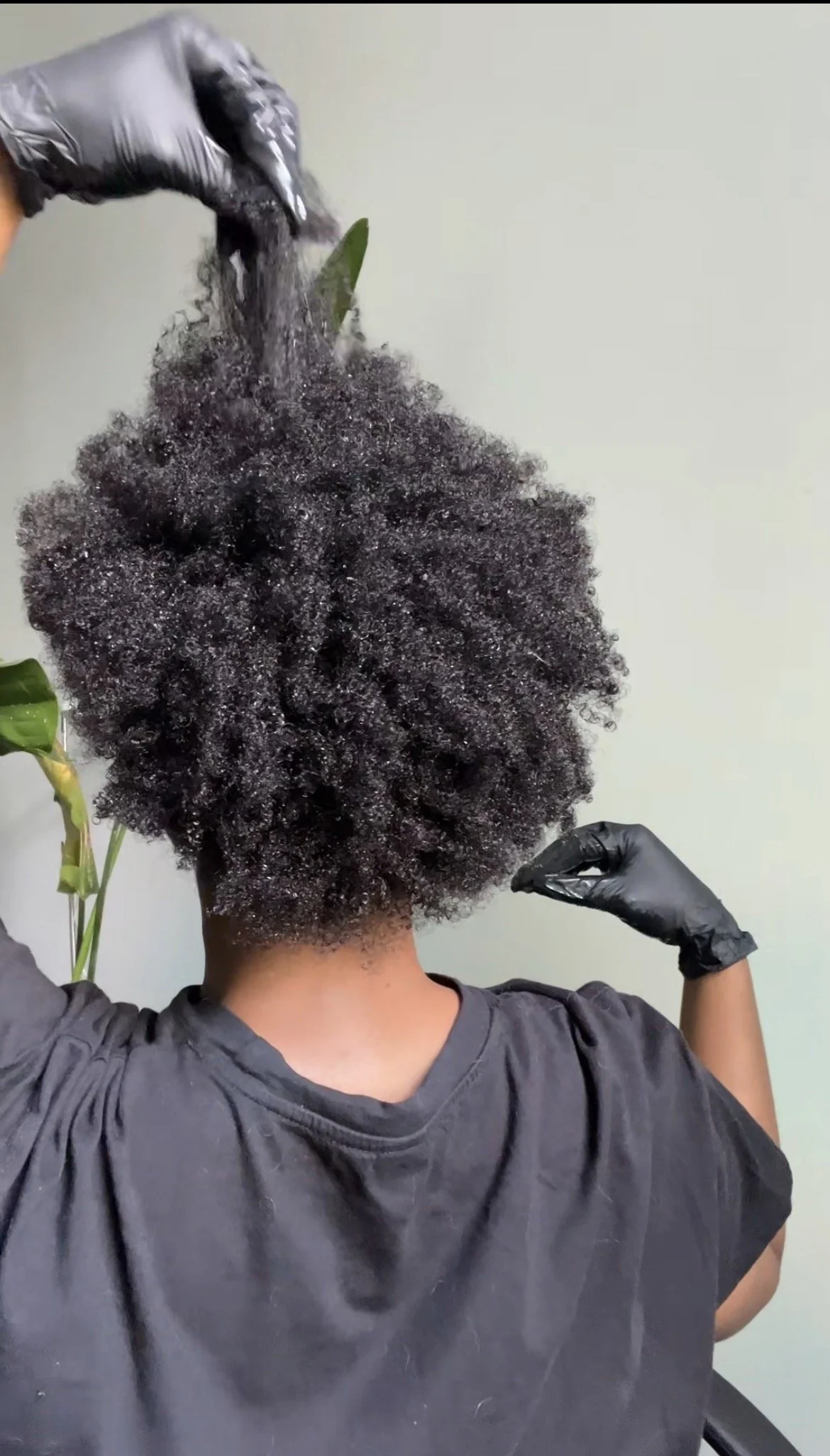
Why Keratin Helps Fine Hair Grow (Indirectly)
Keratin doesn’t magically make hair grow faster. What it does is remove the obstacles that cause breakage.
For fine hair, those obstacles include:
Excessive detangling time
Tugging at knots
Repeated brushing
Daily styling stress
After keratin:
Detangling is faster
Styling requires less effort
Hair stretches more easily
Ends experience less friction
That’s how length retention happens.
My Keratin Treatment Process: Step by Step
Step 1: Clarified Hair
I always start on freshly clarified hair so the keratin can bond evenly. Clean hair = better results.
Step 2: Applying the Keratin Treatment
As I apply the keratin, I focus on:
Even saturation
Light-handed application
Avoiding overloading the hair
Fine hair does not need excess product to benefit.
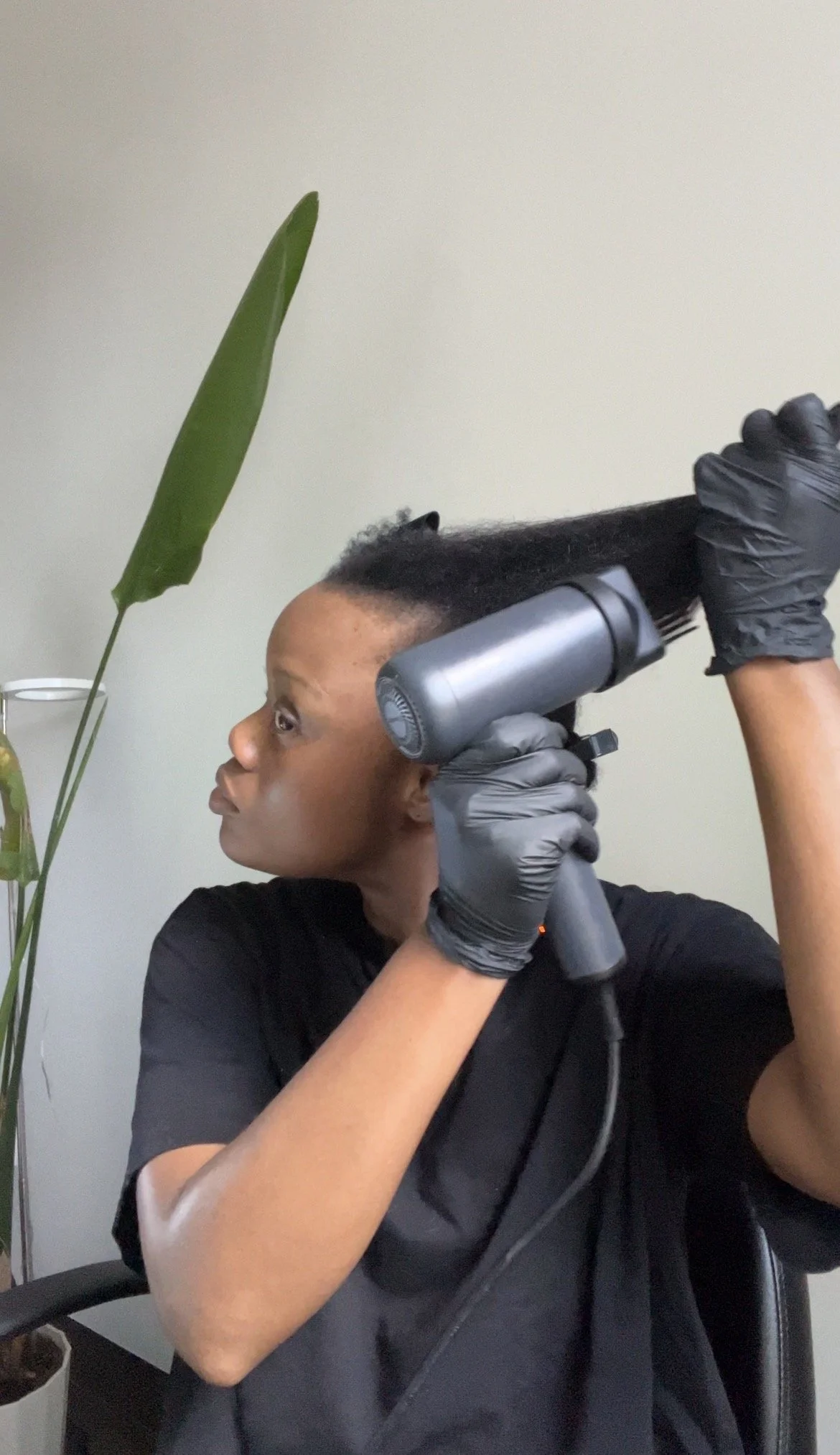
Step 3: Blow Drying to Seal the Treatment
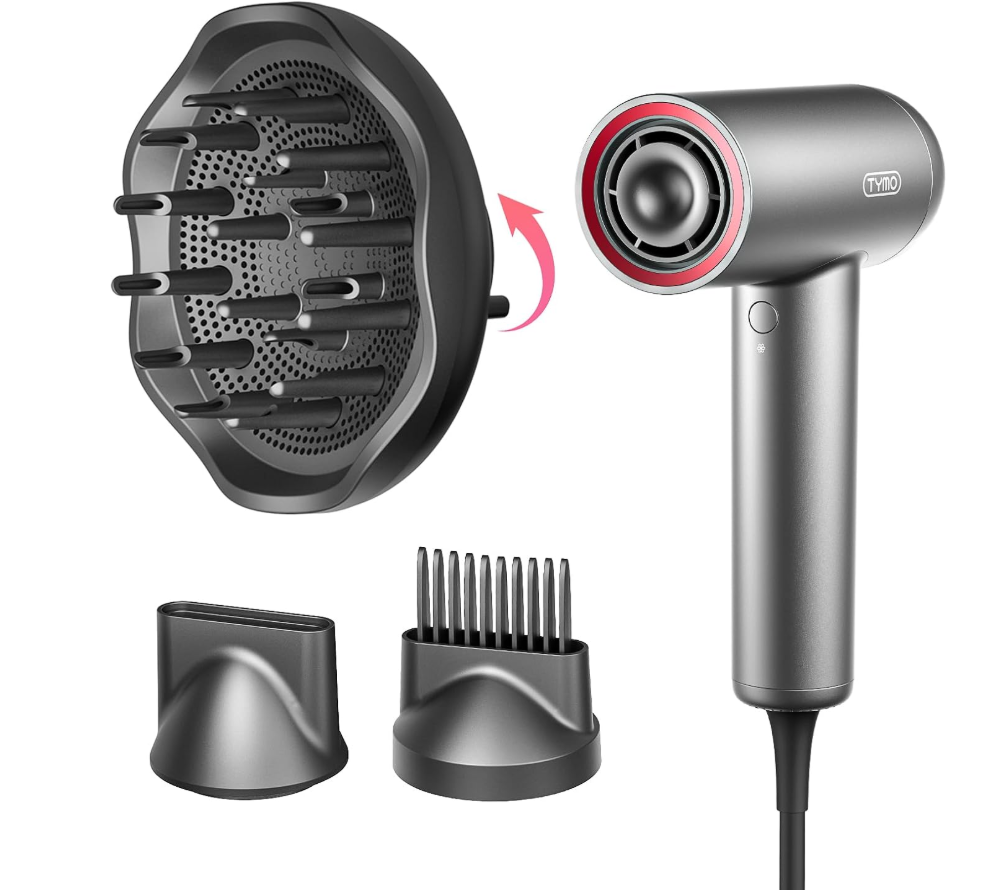
To start sealing the keratin, I blow dry using the TYMO AirHype Lite Blow Dryer.
Why I Love This Blow Dryer:
Lightweight and easy to maneuver
Powerful airflow despite its size
Multiple attachments, including a comb nozzle
Glides through fine hair without snagging
I use this dryer on:
Fine hair clients
Thick, high-density clients
My own hair at home
It’s about controlled heat and smooth airflow—not blasting the hair.
Step 4: Flat Ironing to Activate the Keratin
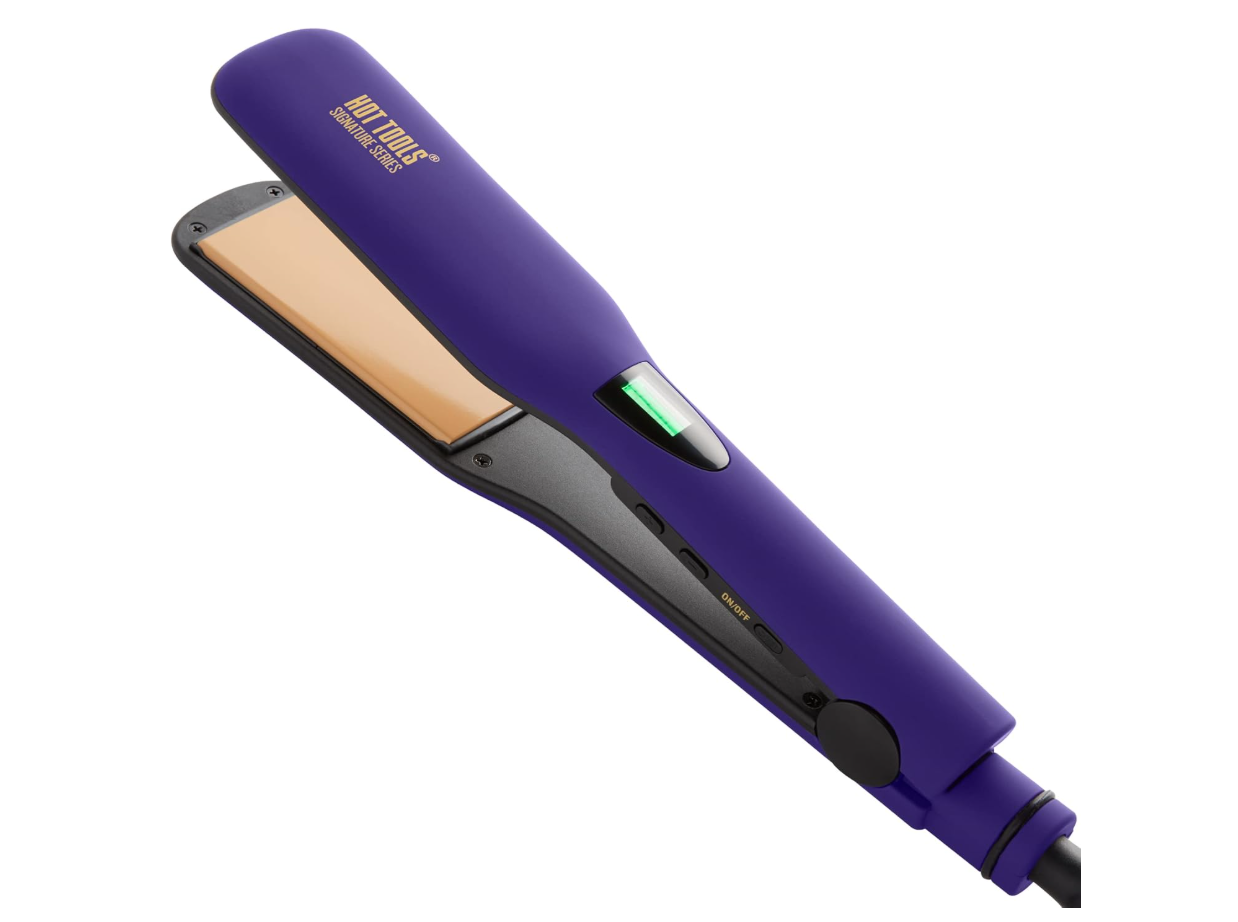
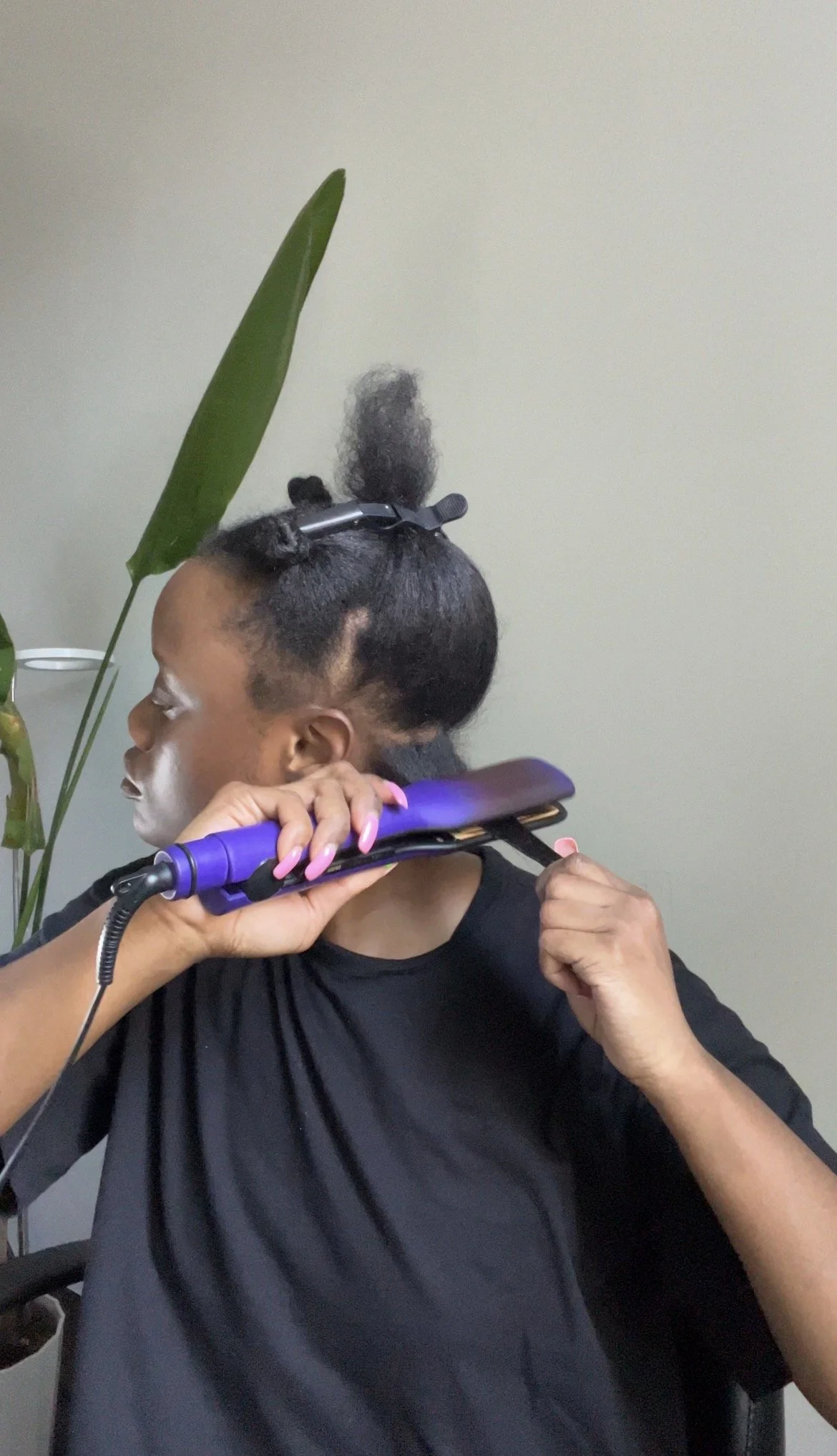
Once dry, I seal the treatment using the Hot Tools Purple Ceramic Flat Iron.
Why Ceramic Plates Matter for Fine Hair:
More even heat distribution
Less overheating than titanium
Better moisture retention
Enhanced shine
At this stage, I’m not trying to make my hair bone straight. I’m simply activating the keratin and smoothing the cuticle.
Keratin Treatment Non-Negotiables for Fine Hair
1. Use a Keratin-Safe, Sulfate-Free Shampoo
Keratin treatments are semi-permanent. Harsh shampoos strip them quickly.
Look for:
Sulfate-free
Keratin-safe labeling
That also doesn’t mean skipping wash day just to have the treatment last longer. Healthy hair always comes first.
Ideal frequency: weekly or bi-weekly.
2. Always Condition (Deep Conditioning Is Best)
Keratin is protein. Protein without moisture = stiffness.
Conditioner:
Keeps hair soft
Maintains flexibility
Reduces snapping
Soft hair bends. Stiff hair breaks.
3. Don’t Overdo Touch-Ups
Too much keratin buildup can:
Weigh hair down
Make ends look straight
Cause limpness
My rule:
Wait until you feel it wash out.
You’ll know on wash day when detangling feels harder again. That’s your cue—not the calendar.
For keratin maintenance, I recommend using the Curl Revival System because it supports the treatment without stripping it from the hair. The gentle, sulfate-free formulas help preserve keratin as it gradually washes out while keeping the hair soft and manageable. This balance helps reduce friction and breakage, allowing you to get the most longevity and benefit from your keratin treatment.

Revive your curls from the inside out with the Curl Revival System — a complete 4-step routine designed to bring dry, tired curls back to life. This bundle combines cleansing, deep repair, lasting hydration, and lightweight protection so your curls stay soft, defined, and healthy between wash days.
What’s Inside:
Moisture Shampoo – Gently cleanses while infusing hydration for soft, weightless curls.
Deep Repair Treatment – Balances strength and moisture with keratin protein to restore elasticity, reduce breakage, and revive curl definition.
Emergency Miracle Treatment – Lightweight leave-in conditioner that penetrates deeply, locking in hydration for long-lasting moisture and frizz control.
Amethyst Oil – Lightweight finishing oil that seals in shine, protects against heat, and keeps curls silky without heaviness.
Benefits:
Complete wash-day system designed for hydration, strength, and protection
Revives curls for softness, bounce, and definition
Protects against breakage, dryness, and frizz
Perfect for natural curls, coils, and textured hair that need a moisture and strength reset
Bring your curls back to life with the Curl Revival System — your all-in-one routine for healthy, shiny, frizz-free hair.
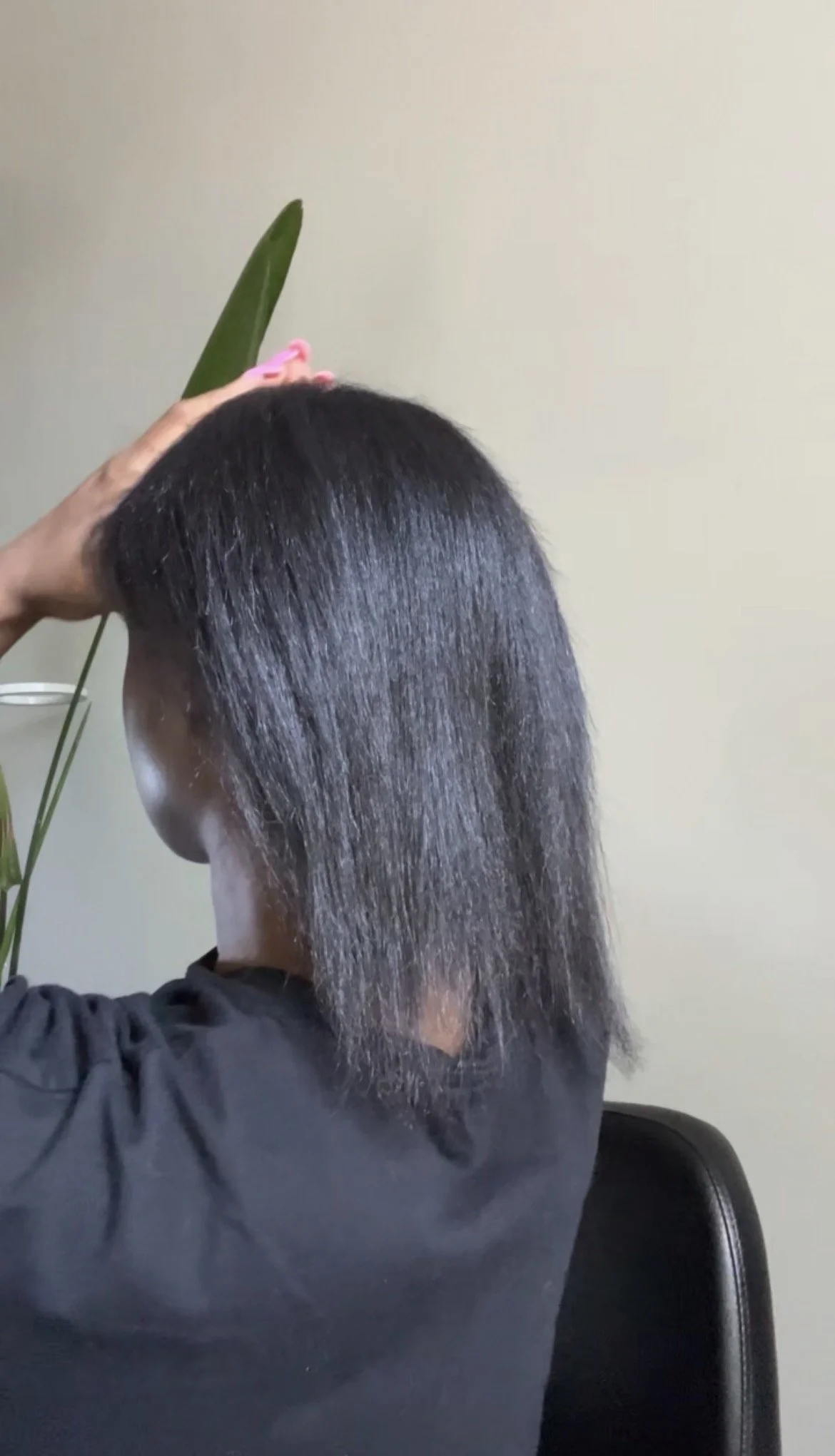
How I’m Supporting My Hair After the Keratin Treatment
The treatment alone isn’t enough. Recovery happens through daily habits.
Gentle Handling Is the Priority
Slower wash days
Finger-detangling first
Tools only after knots are removed
Fine hair does not tolerate force.
Stretching Instead of Fighting Shrinkage
I’m a heat-styling girl. I like:
Blow drying
Straightening brushes
Stretching reduces daily manipulation and keeps styling simple throughout the week.
The keratin makes stretching easier—so I use that to my advantage.
Low-Manipulation Protective Styling with Clip-Ins
Right now, my ends need rest. That’s why I rely on clip-in extensions.
Benefits:
Ends stay tucked away
Hair stays clean and moisturized
No constant styling stress
Clip-ins let me protect my hair without neglecting it.
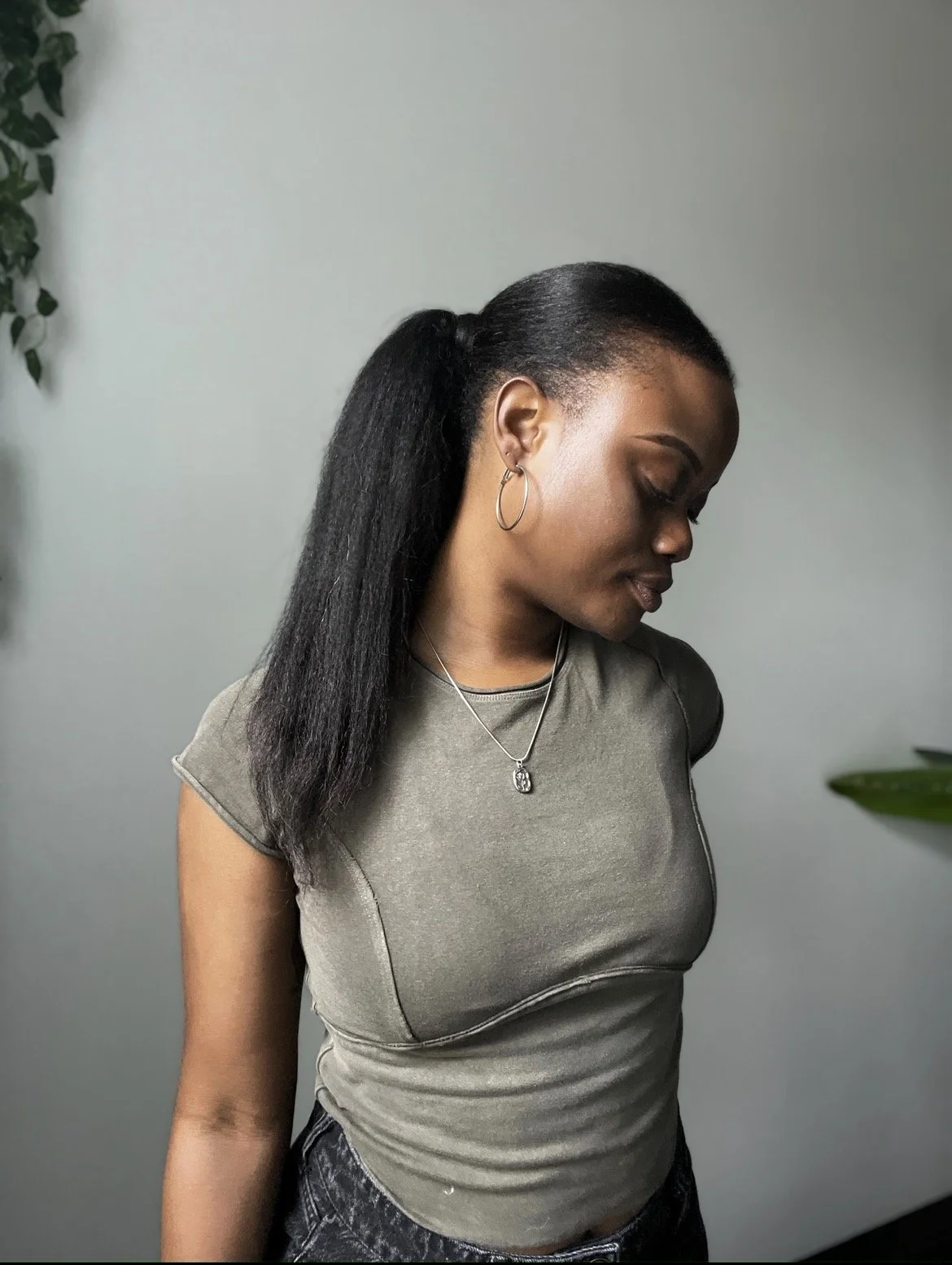
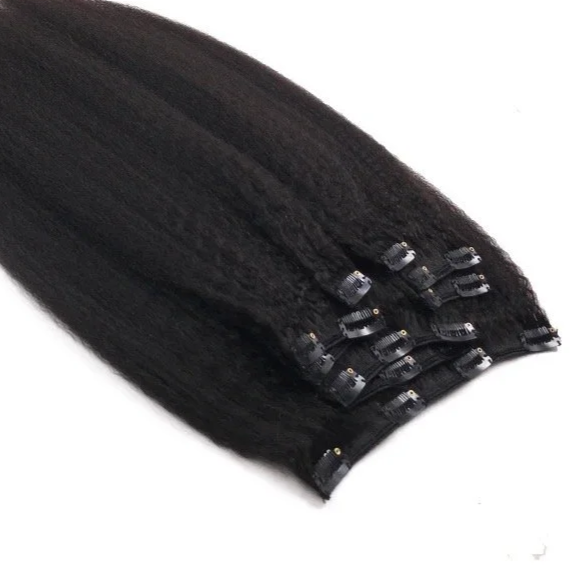
Transform your look in minutes with our 100% Virgin Human Hair Kinky Straight Clip-In Extensions. Designed to blend seamlessly with natural textures, these extensions give you instant volume, length, and style. All while keeping your hair looking natural and flawless.
Features:
100% raw, unprocessed Cambodian human hair, cuticle aligned for long lasting quality
Natural dark brown 1B color
Can be dyed, washed, and heat styled to match your unique look
No tangling, minimal shedding
Full bodied kinky straight texture that mimics natural blow dried hair
Available in multiple lengths (16”–20”) for versatile styling
Benefits:
Confidence: Instantly elevate your look and feel unstoppable wherever you go
Convenience: Easy to install and remove, perfect for busy mornings or quick style changes
Effortless Beauty: Always look polished without spending hours in the mirror
Special Occasions Ready: A must-have styling staple for weddings, vacations, and nights out
Clip-In Measurements:
Each set includes 7 pieces with the following measurements:
1 – 8-inch w/ 4 clips
1 – 7-inch w/ 3 clips
5 – 4-inch w/ 2 clips
Pro Tip: One bundle is perfect for adding fullness, while two bundles provide a complete look for full head coverage and protective styling
With our Kinky Straight Clip-Ins, you can switch up your style whenever you want. No commitment, no hassle, just beautiful hair on demand.
📦 To ensure the highest quality, all extensions are processed fresh upon order. Shipping takes approximately 7 business days.
The Bigger Picture: Keratin as a Hair Growth Strategy
Keratin isn’t a miracle cure. It’s a support tool.
When used intentionally:
It reduces friction
Simplifies styling
Protects fragile ends
Supports length retention
For fine, thin natural hair, sometimes the key to growth isn’t adding more—it’s making things easier.