Color Isn't The Problem. Your Routine is.
Color Isn’t the Problem… Your Routine Is:
How to Keep Color-Treated Curly Hair Healthy
If you’ve ever been told that coloring your hair will ruin it, this might shift your perspective.
In this post, I’m walking you through a real client transformation. I’ve been coloring for over five years, and her hair is healthier now than when she started.
So what’s the difference?
It’s not just the color.
It’s the routine.

A 5-Year Hair Color Journey
Over the years, we’ve taken her through multiple color transformations—from balayage on virgin hair to bold color changes and now a more intentional, low-maintenance approach.
Despite all of these changes, her hair has remained soft, strong, and manageable. It’s been able to handle change without falling apart. And that’s what most people are really looking for.
At its core, her results come down to three things:
Starting with healthy hair
Choosing the right coloring method
Maintaining a consistent routine
That combination is what allows her to explore color freely without sacrificing the health of her curls.
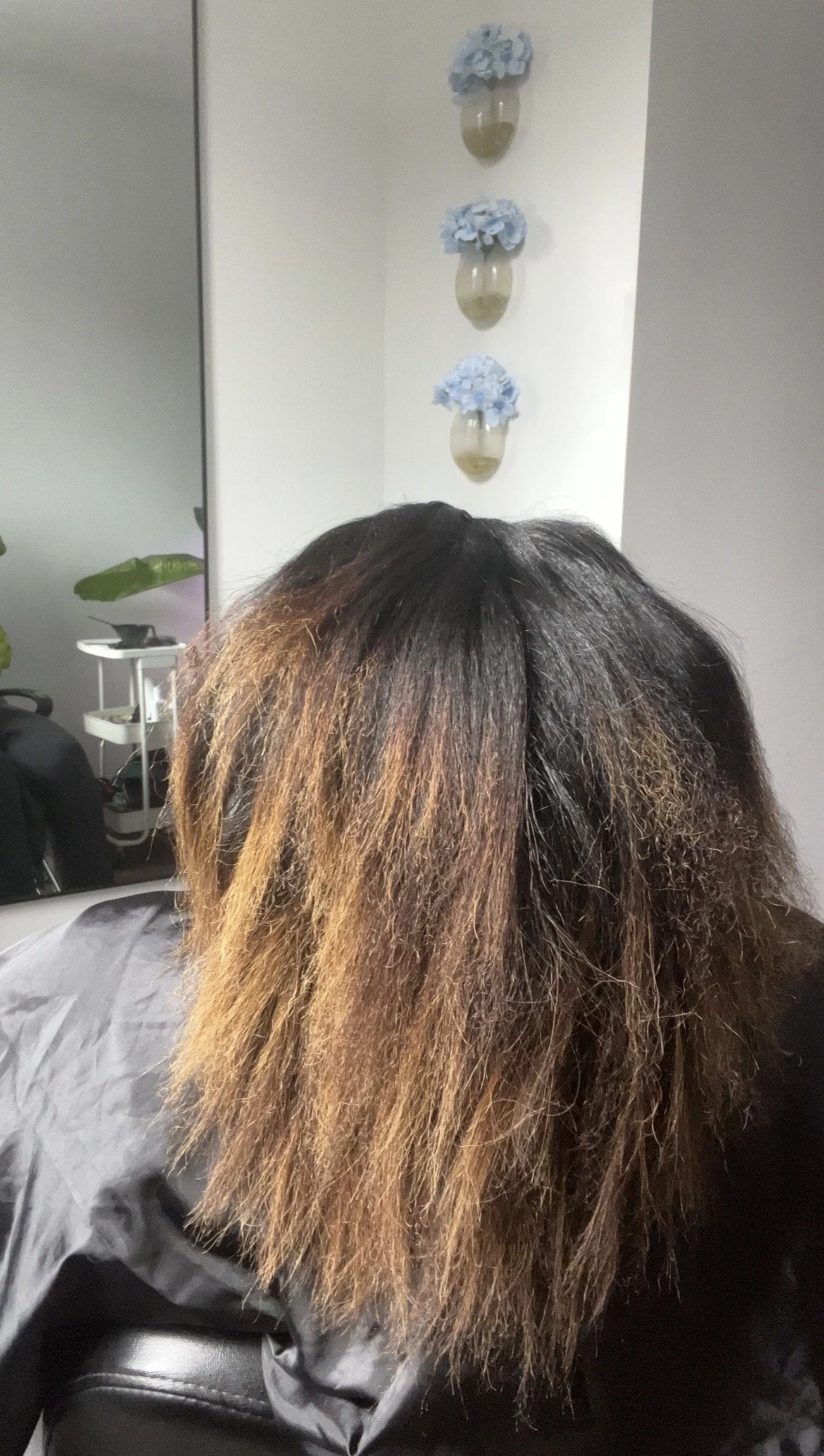
What Is High Lift Color (And Why It Works for Beginners)
For this appointment, I used a high lift color—one of my favorite techniques for clients who want to go lighter while still protecting their hair.
A high lift color lightens the hair while depositing tone at the same time. Instead of fully stripping the hair like bleach, it lifts the natural pigment in a more controlled, gradual way
This creates a softer result that still gives brightness and dimension without pushing the hair too far.
It’s especially helpful if you:
Want to go lighter without heavy damage
Prefer a low-maintenance color routine
Want a more natural grow-out
It’s not about getting the lightest result possible—it’s about getting a result your hair can actually sustain.
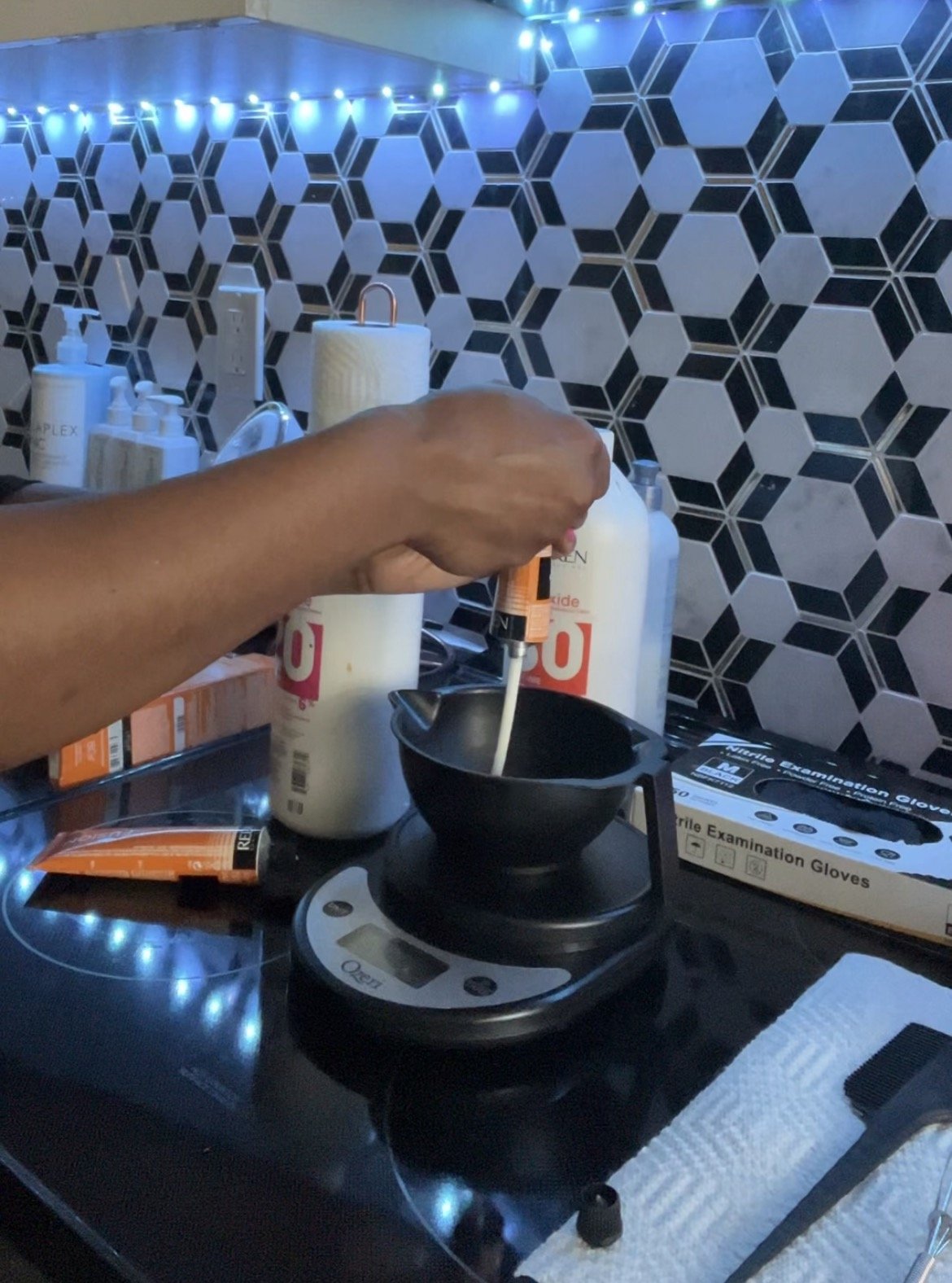
How to Know If Your Hair Is Ready for Color
Before coloring your hair, you need to start with a healthy foundation.
Healthy hair doesn’t have to be perfect, but it should feel manageable. It should respond well to moisture and not constantly feel dry or fragile.
Signs your hair may be ready include:
Minimal breakage
Easy detangling
Balanced moisture (not overly dry)
This is where a lot of people get it wrong. They jump into color without first preparing their hair, and then blame the color when things go left.
In reality, color doesn’t create the problem, it exposes it.
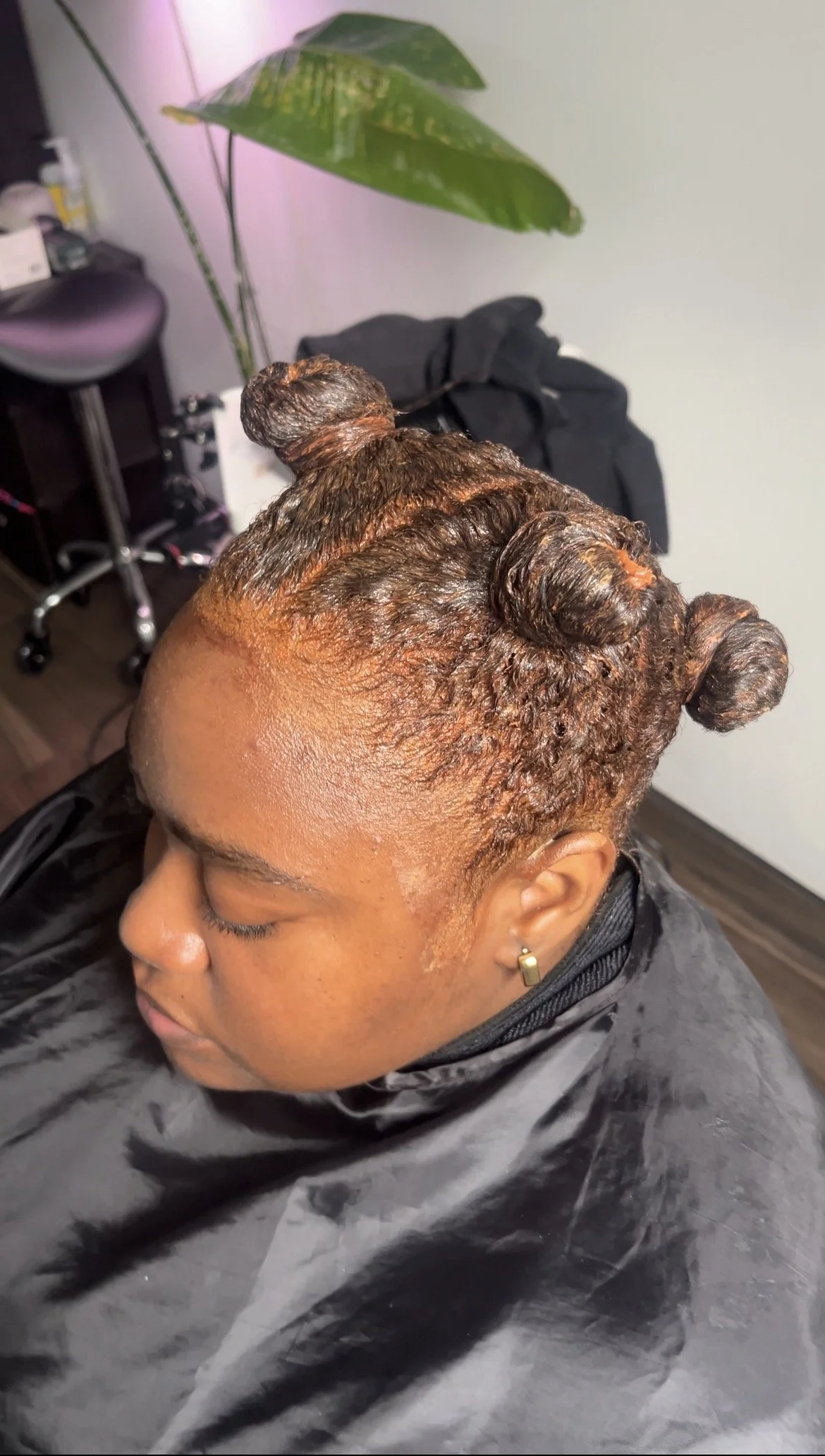
The Routine That Keeps Color-Treated Hair Healthy
The real transformation doesn’t happen in one appointment. It happens in the routine that follows.
After processing, I start with a clarifying shampoo to reset the hair. This step removes buildup and creates a clean foundation, but it’s important to use one that won’t strip the hair—especially after color.

Reset your hair and scalp with our Volume Shampoo. This clarifying shampoo is powered with bentonite clay to gently pull out buildup, impurities, and excess oils — giving your scalp a “facial” while leaving your hair soft, clean, and hydrated. Unlike harsh clarifiers, it removes product residue without stripping your hair, making it the perfect first step for healthy, thriving strands.
Features:
Deeply cleanses scalp and hair to remove buildup and impurities
Infused with bentonite clay for a detoxifying yet moisturizing cleanse
Leaves hair light, fresh, and weightless — never dry or brittle
Creates the perfect foundation for blowouts, silk presses, or protective styles
Works beautifully on all textures, especially fine hair that gets weighed down easily
Benefits:
Your scalp feels refreshed and balanced, not tight or dry
Helps curls, blowouts, and silk presses last longer by starting on a clean base
Lightweight formula makes it safe for weekly use
Pairs perfectly with the Moisture Shampoo for the ultimate cleanse + hydration routine
Think of the Volume Shampoo as your reset button, the one step that ensures your hair is clean, healthy, and ready to shine.
What’s inside:
•QUINOA PROTEIN: penetrates the hair shaft plumping each strand to maximum fullness.
•BENTONITE CLAY: plumps, strengthens and protects hair.
How to Use:
SHAMPOO: Wet hair and lather from roots to ends. Rinse.
CONDITIONER: After cleansing with shampoo, apply evenly from roots to ends. Leave in for 3-5 minutes and rinse thoroughly.
From there, I go into strengthening. Bond-building treatments like Olaplex help rebuild the internal structure of the hair after it’s been processed. This is what prevents long-term breakage and weakness.
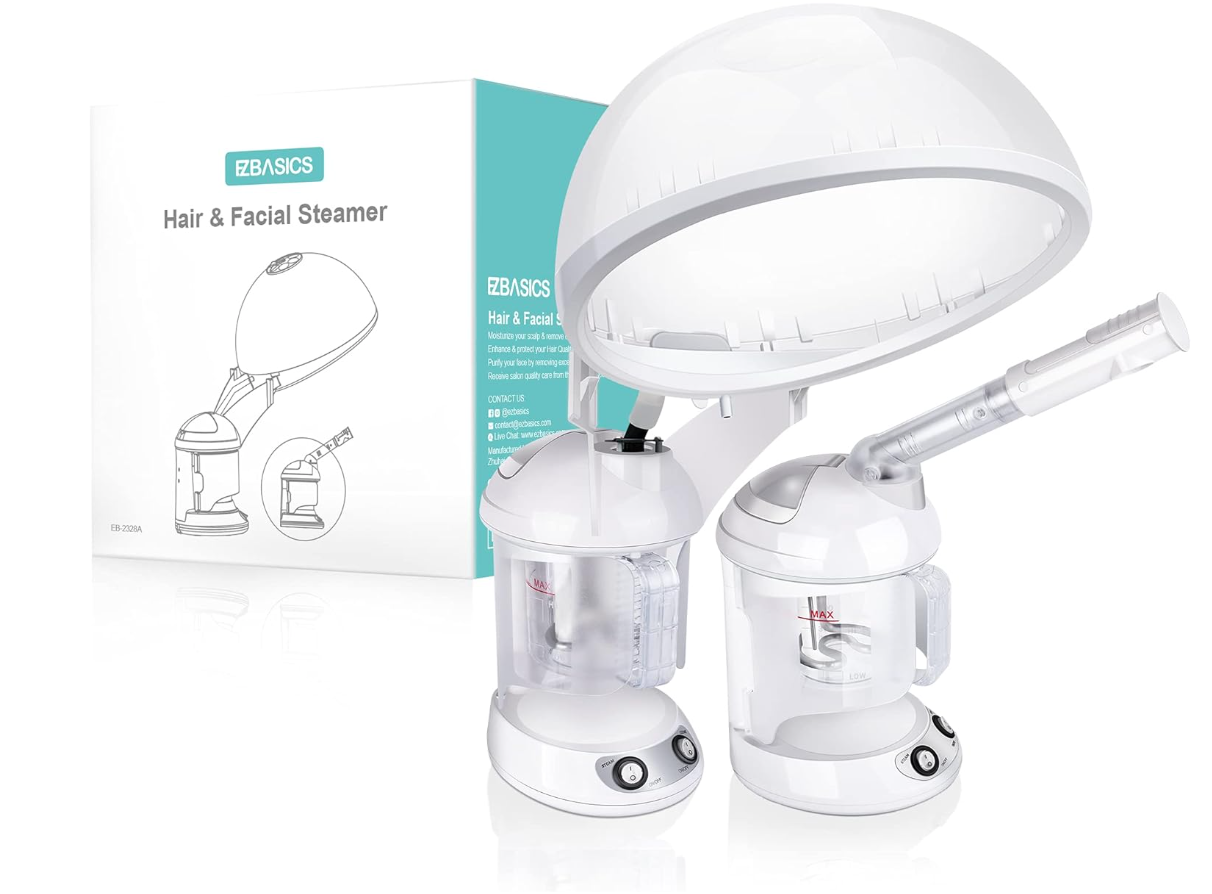
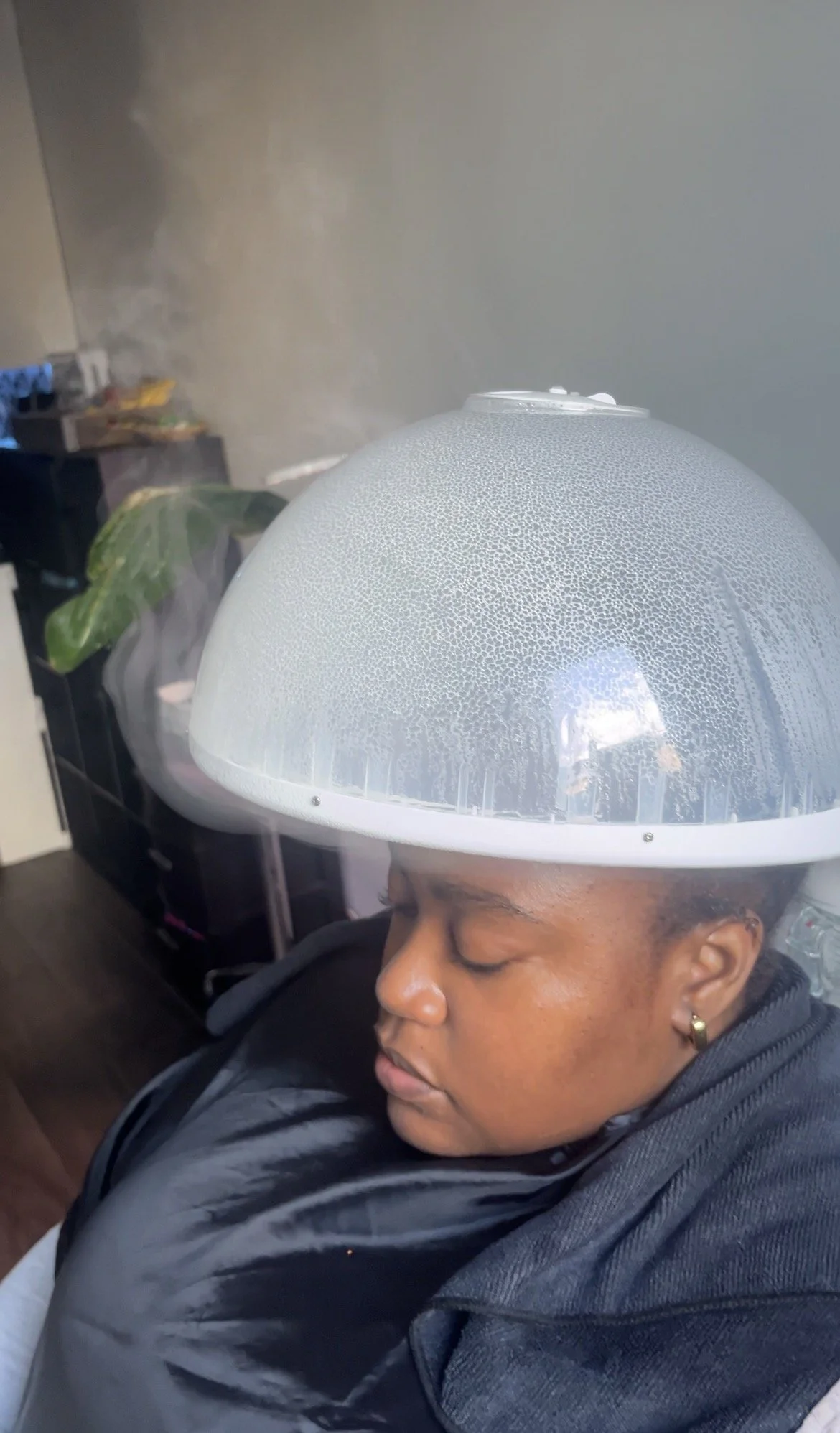
To support that treatment, I use steam. This helps open the cuticle so everything can penetrate deeper, while also restoring moisture back into the hair.
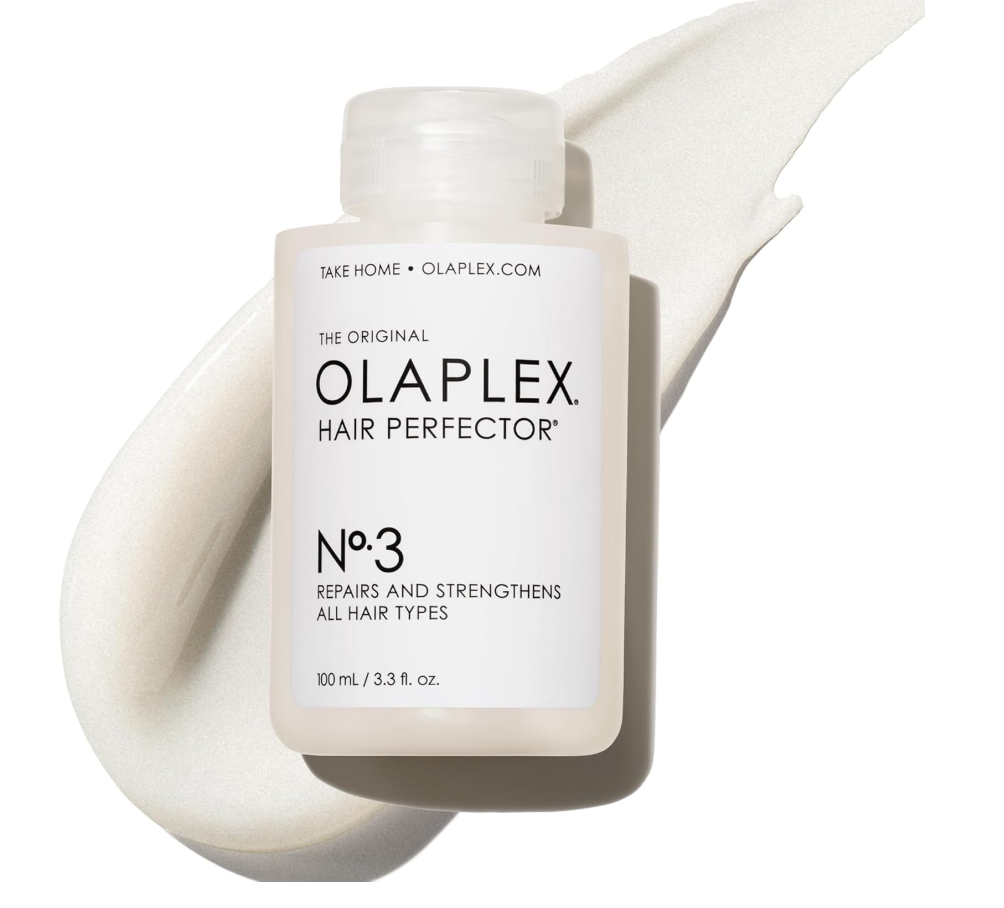
Once the hair is strengthened, I shift the focus to hydration. A moisture shampoo followed by a deep repair treatment brings softness back into the hair while reinforcing it with protein.
This is where the balance comes in:
Strength keeps the hair intact
Moisture keeps the hair flexible and soft
You need both.

Bring your hair back to life with our Moisture Shampoo. This creamy, nourishing formula is designed to infuse your strands with long lasting hydration while keeping them light, bouncy, and full of movement. Unlike heavy moisturizing shampoos that can leave buildup behind, this one delivers the perfect balance: deep hydration without weighing your hair down.
Features:
Gently cleanses while replenishing moisture to dry hair
Creamy, rich formula leaves hair soft, hydrated, and manageable
Keeps hair weightless, making it perfect before blowouts or silk presses
Strengthens and nourishes from root to tip
Safe for all textures, including fine hair, extensions, and color-treated strands
Benefits:
Your hair feels hydrated, silky, and smooth after every wash
Perfect second step after the Volume Shampoo for a balanced cleanse
Preps your strands for styling by keeping them moisturized and pliable
Helps prevent dryness, frizz, and breakage between wash days
With Moisture Shampoo, every wash day leaves your hair hydrated, soft, and ready for whatever style you choose, whether it’s a blowout, silk press, or natural curls.
What’s inside:
SUNFLOWER SEED EXTRACT: provides UVA and UVB protection to preserve radiant color.
COCONUT MILK: creates a strong barrier around the hair shaft to prevent breakage.
RHODOCHROSITE: balances moisture levels.
How to Use:
SHAMPOO: wet hair and lather from roots to ends. Rinse well. Repeat if necessary.
CONDITIONER: after cleansing with shampoo, apply evenly from roots to ends. Leave in for 2-3 minutes and rinse well.
Why Your Styling Products Matter
Once the hair is prepped, styling becomes part of the maintenance.
I use a simple system that supports the hair at every stage.
A lightweight leave-in conditioner hydrates the hair and helps it retain moisture throughout the week. This is especially important for curly hair, which tends to dry out faster.
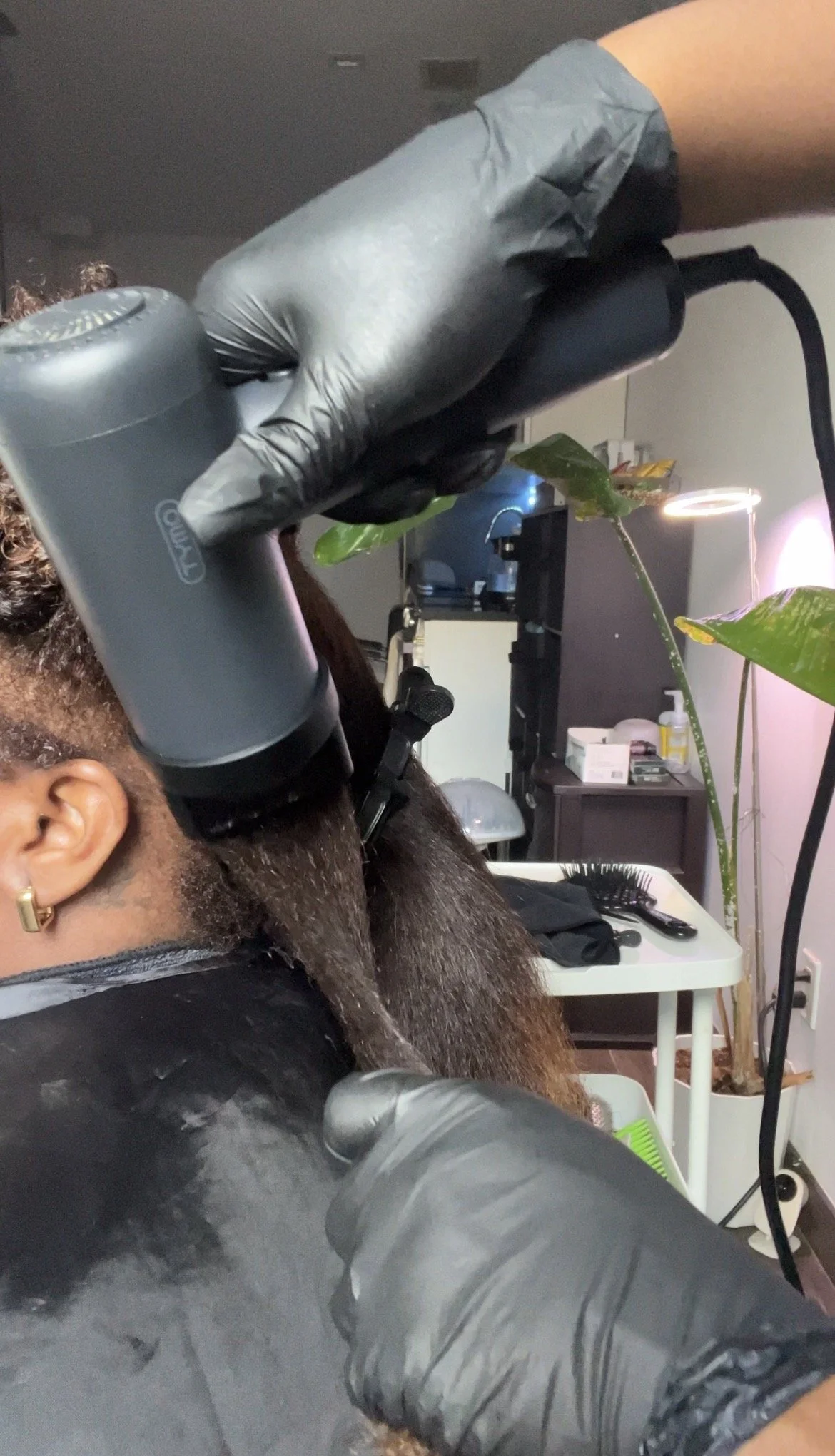
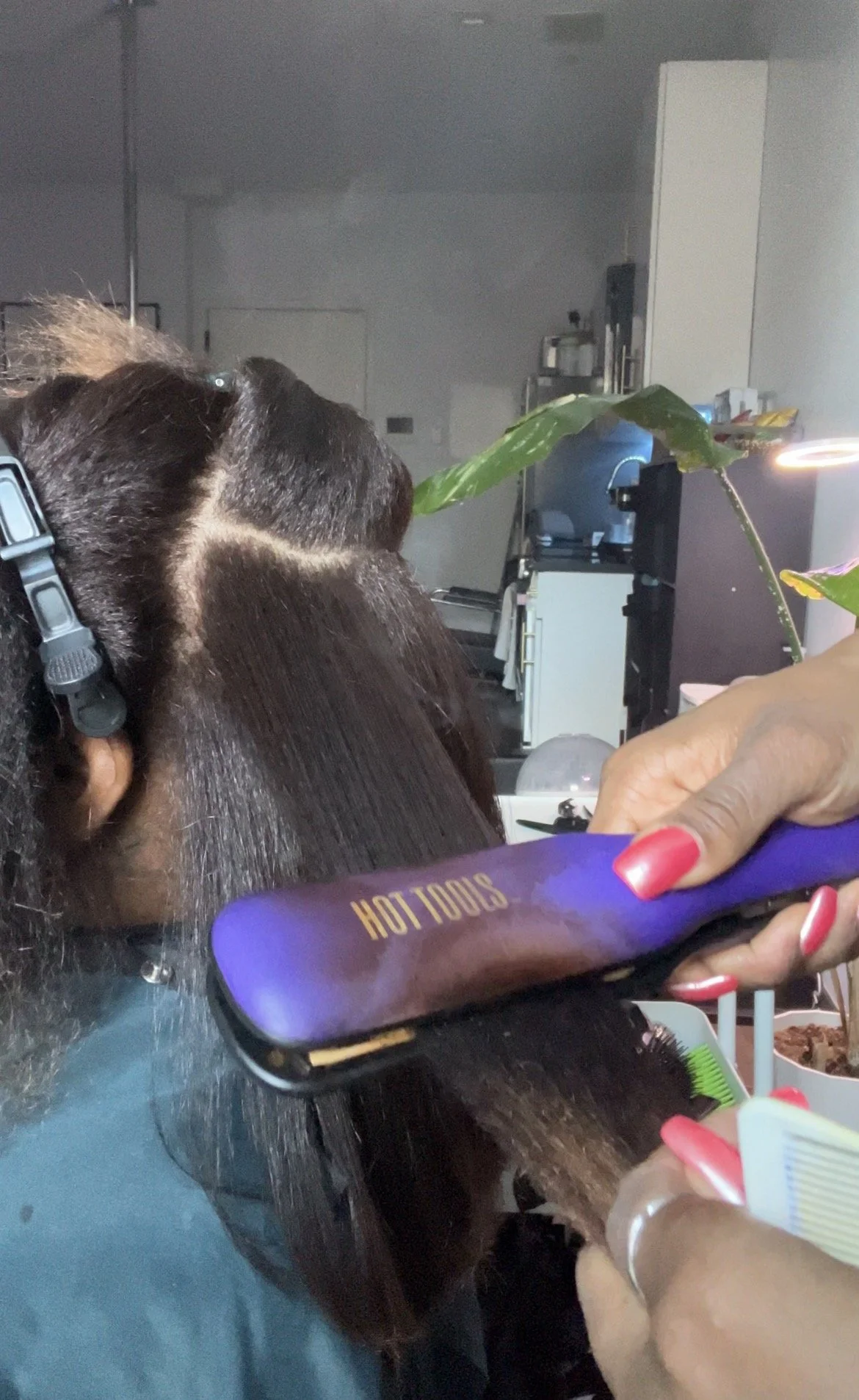
A blow dry cream smooths the hair and prevents that dry, rough feeling that heat styling can sometimes cause.
And a lightweight oil finishes everything off by sealing in moisture, adding shine, and protecting the hair from heat.
Each step builds on the next. Together, they:
Maintain moisture
Reduce frizz
Protect the hair during styling
This is what allows the hair to look polished without being compromised.

Achieve salon smooth results at home with the Silky Smooth Bundle. This trio delivers the perfect combination of hydration, protection, and shine to keep your hair silky, frizz-free, and healthy, whether you’re blow drying, silk pressing, or wearing your hair straight.
What’s Inside:
Emergency Miracle Treatment – Lightweight leave-in conditioner that penetrates deep for long-lasting moisture and frizz control.
Le Deux – Moisture rich blow dry cream that smooths strands, eases detangling, and protects from heat while giving your blowouts body and softness.
Amethyst Oil – Lightweight finishing oil that seals in moisture, locks in shine, and provides extra heat protection without weighing hair down.
Benefits:
Creates a smooth, sleek foundation for blowouts and silk presses
Double layered heat protection keeps strands safe from hot tools
Locks in hydration so hair stays soft, shiny, and manageable
Works for all hair types, especially straight naturals and those who heat style regularly
With the Silky Smooth Bundle, you’ll have everything you need to create polished, frizz-free styles that last. All while keeping your hair healthy and hydrated.
Taking Care of Color-Treated Curls
Color-treated curls don’t need a complicated routine, but they do need consistency.
The biggest focus should always be moisture. Curly hair already runs dry, and color increases that need. Letting the hair go too long without hydration is what leads to tangles, breakage, and dullness.
It’s also important to be gentle. The way you handle your hair daily, how you detangle, style, and maintain it has a huge impact over time.
A simple routine usually works best:
Regular washing
Deep conditioning
Low manipulation styling
When your routine is consistent, your hair becomes easier to manage, and your results last longer.
Why Regular Trims Are Essential
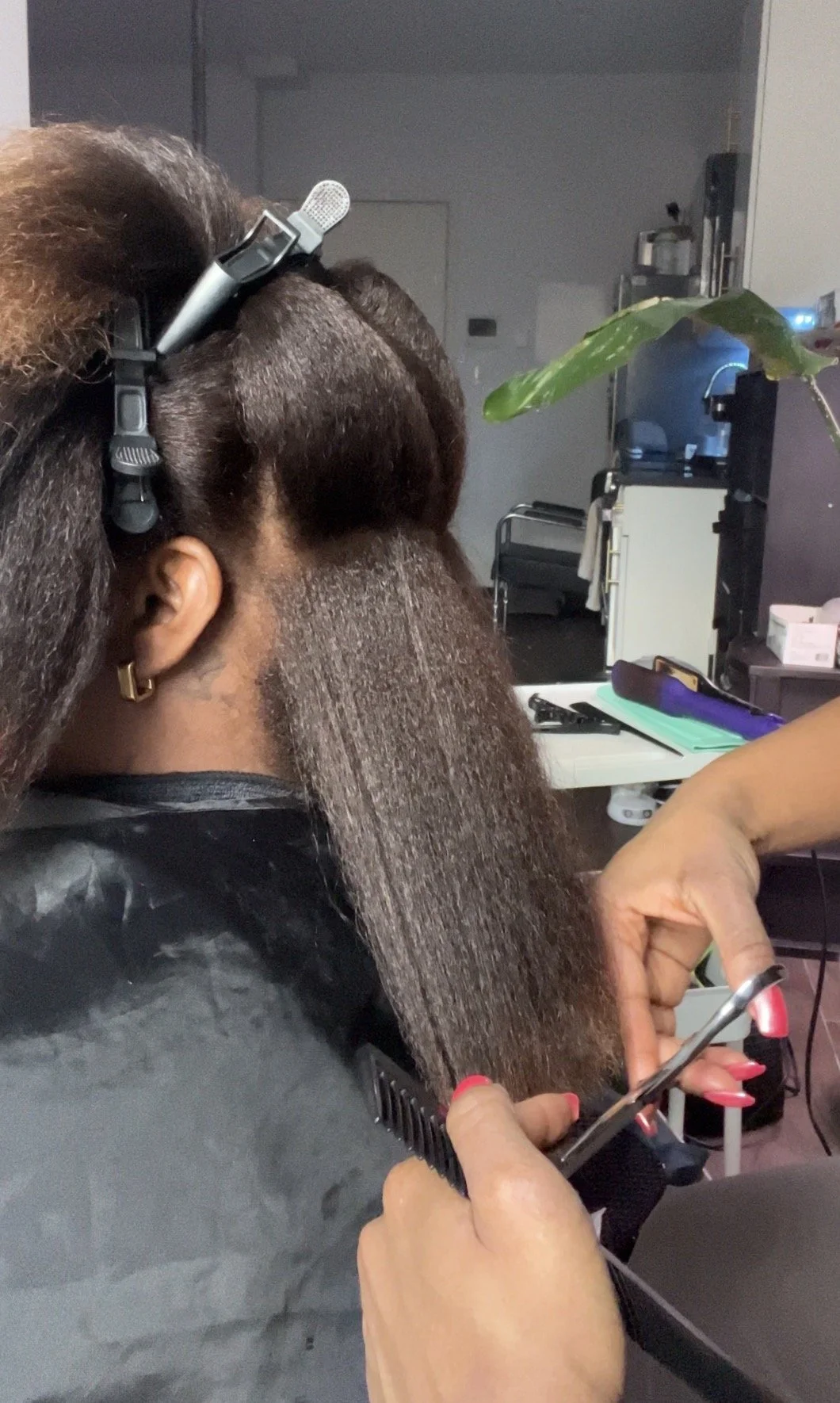
Trims are one of the most overlooked parts of a healthy hair routine.
Over time, your ends become the weakest part of your hair. If they’re not maintained, they begin to split and break, which can travel upward and affect the overall health of your hair.
For color-treated hair, this matters even more.
I recommend trimming about once every 3 to 4 months. This keeps the ends clean, prevents unnecessary breakage, and helps your hair maintain its shape.
Trims don’t stop growth, they support it
Why Professional Color Makes a Difference
One of the biggest reasons this client’s hair has remained healthy is because her color has always been done professionally.
When color is done in a salon, it’s tailored to your hair, your texture, your history, and what your hair can realistically handle.
Box dye doesn’t take those things into account. It’s not customizable, and it doesn’t adjust based on how your hair responds in real time.
That’s where a lot of damage happens.
Professional color isn’t just about the final look. It’s about:
Protecting the integrity of your hair
Making informed decisions during the process
Creating results that last
Final Results: Healthy, Dimensional Color
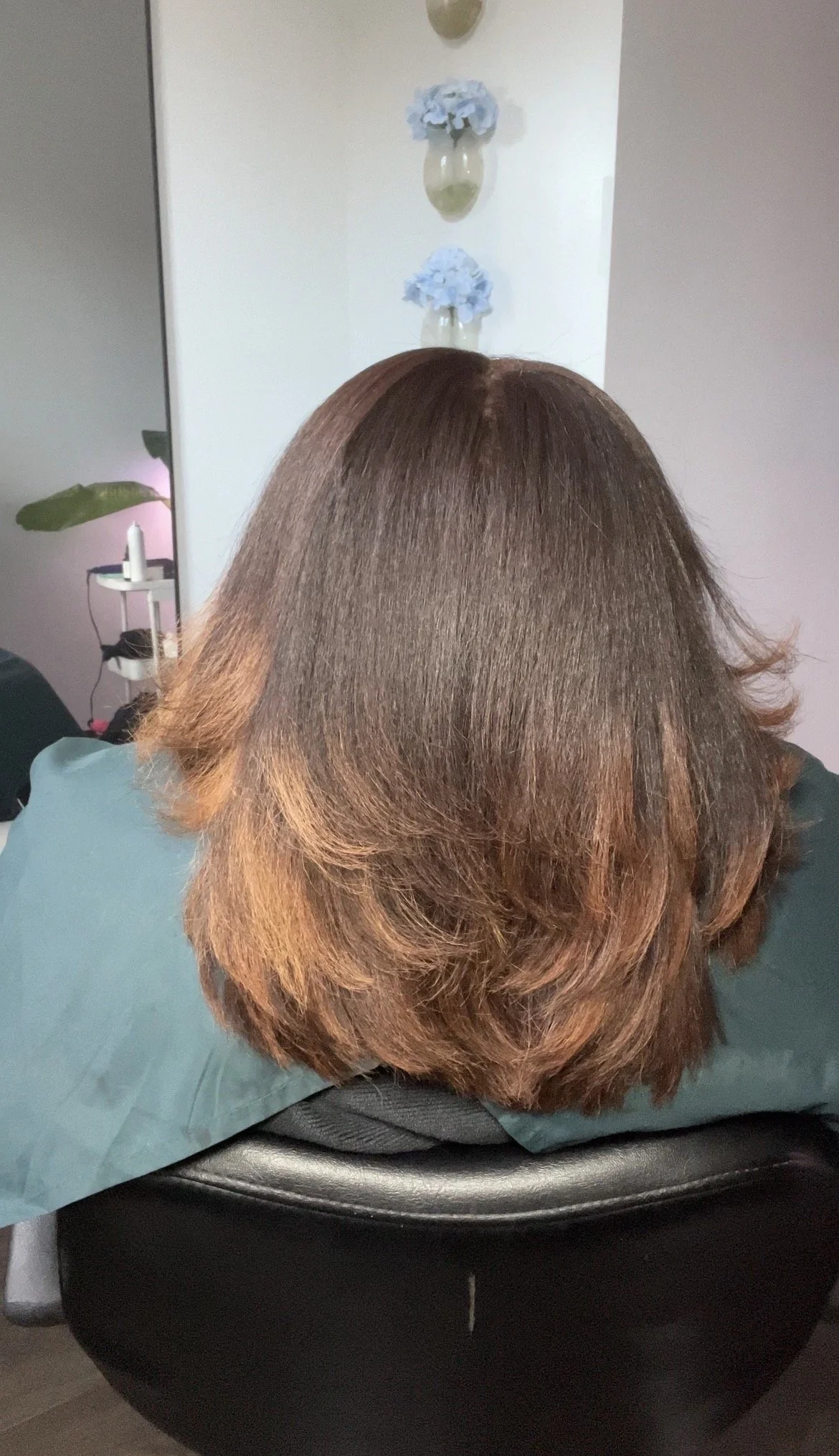
For her final look, we went with a dimensional chocolate color with subtle warmth throughout.
The result is soft, shiny, and full of movement. But more importantly, her hair still feels healthy.
At this point, maintaining it is simple. She just needs to stay consistent with her routine, keep her hair moisturized, and maintain her trims.
Color isn’t the problem.
It’s how you care for your hair before, during, and after that determines the outcome.
When your routine supports your hair, you don’t have to choose between healthy hair and color. You can have both.